
In the year since the last PIAfrica, the continent’s institutional investors have had to keep a close watch on the macro environment with inflation, FX volatility and fiscal pressure continuing to be active forces shaping outcomes. External capital has become more selective, geopolitical risk has become more priced-in, and debt service pressures have tightened fiscal room across the continent. At the same time, African long-term pools of capital are getting larger, and the expectations placed on them are expanding beyond preservation into productivity, sustainability and tangible development impact.
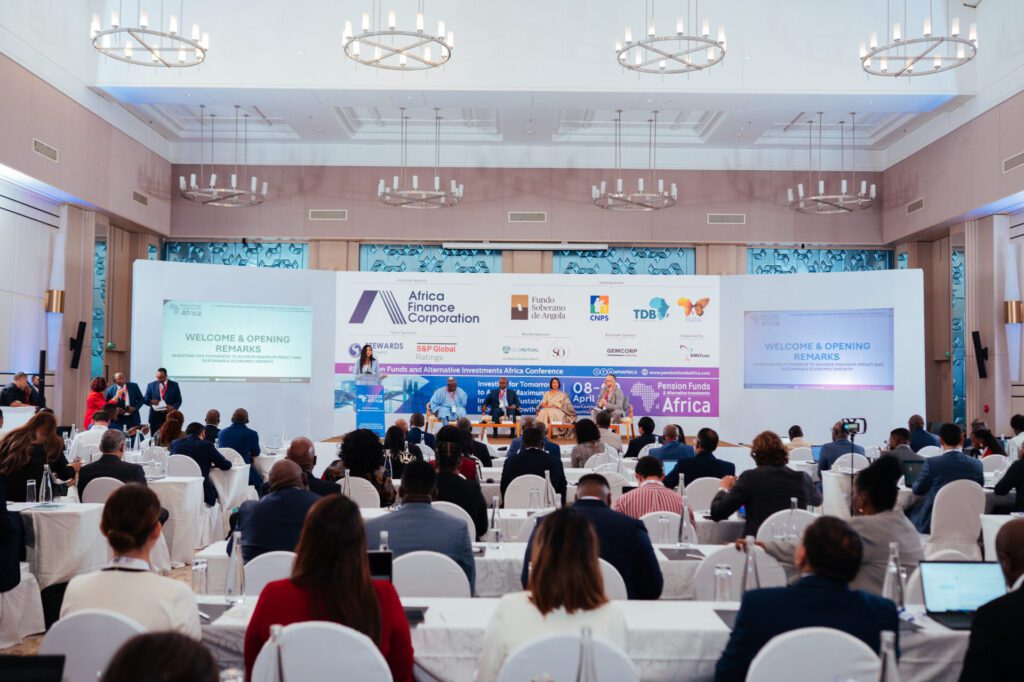
That is precisely why PIAfrica 2026 returns to Mauritius on 11–12 February: to turn the past year’s market signals into next year’s investment decisions with the people who are actually shaping the deals, the regulations and the risk frameworks.
Mauritius’ growing role as a gateway financial centre is one reason PIAfrica’s return matters, a theme Stewards Investment Capital (a PIAfrica 2026 partner) has also highlighted in recent commentary on the island’s rise.
Domestic capital is no longer the “nice-to-have” — it is the plan
One of the clearest shifts since the last edition is how openly the market is now talking about mobilising African domestic capital to fund African priorities. In mid-2025, Africa Finance Corporation (AFC) put a number to the opportunity: roughly US$4 trillion of local capital sitting across institutions such as pension funds, banks and sovereign vehicles. This is capital that could be redirected towards infrastructure and productive investment if regulatory and market bottlenecks are addressed.
This message is gaining traction because external flows are becoming less dependable. Even concessional financing is now being reassessed through a tougher lens, as global funding costs remain elevated and capital becomes more selective. Newer data points have reinforced the trend, including reporting that Chinese lending to Africa swung from inflows to net outflows over the past decade. PIAfrica 2026 is built around this reality and opens with a pan-African dialogue that explicitly links global context to African capital decisions.
Infrastructure is moving from policy ambition to investable platforms
Infrastructure remains the single biggest proving ground for domestic capital mobilisation and the past year has brought deal activity that signals a more platform led approach with continued momentum around corridor and trade enabling infrastructure.
Even more directly tied to the PIAfrica room: Gemcorp Capital and FSDEA announced plans for a new Pan-African infrastructure fund, targeting up to US$500 million, designed to deploy into real economy assets and projects at scale. TDB expanded a US$250 million syndicated facility for multi-country logistics projects, and signed a US$400 million framework programme with BADEA to strengthen lending capacity, including for infrastructure and renewable energy.
These are exactly the kind of case-led insights the conference is designed to unpack. Day 2’s infrastructure session brings together Marcus Weyll (Gemcorp Imbono) alongside Elie Aloko (AFC) and Shafeeq Abrahams (Eskom Pension Fund) among other key industry leaders to move the discussion further from “should we?” to “how do we invest?”
From “alternative” to essential: why private assets now shape portfolio resilience
The past 12 months have reinforced a hard truth: in many African markets, public markets alone cannot carry the full diversification and return requirements of long-term liabilities. That is one reason private equity, private debt, trade finance and infrastructure are climbing from “alternative” to “core” for many allocators.
This is where Marc Lasserre (SO Capital Advice)’s message lands with force. In his pre-event interview, he observes that private assets still account for a modest share of many pension portfolios but momentum is building, and the constraints to address are clear: better transparency, stronger governance, and performance data that investors can trust.” (Read the interview here)
His own expectations for PIAfrica 2026 make the agenda’s intent explicit:
“We hope… to explain why it’s important for pension funds to invest in private assets funds that are… the best vehicle to invest in the African real economy.”
Day 2’s private markets session (4), moderated by Lasserre, is structured to tackle the “smart risk” question head-on: portfolio construction, manager selection, and governance disciplines that protect members while unlocking better long-term outcomes.
Regulation and liquidity have entered a new era, and operations must catch up
One of the most visible changes since the last edition has been the pace of pension reform bringing with it new operational demands for funds, administrators and trustees. A landmark case is South Africa’s implementation of the two-pot retirement system, with legislation requiring funds to adjust rules, portfolios and admin systems to enable withdrawals from 1 September 2024.
This matters beyond one market. It is a live example of how member expectations, policy ambitions and liquidity management collide and how quickly governance and administration need to evolve when the rules change.
That is why the conference places such weight on trustee capability, regulation and the practicalities of delivering member outcomes. Nazlie Seegers argues in her pre-event interview that the future is not only about the asset mix, but also about member engagement and the systems that make pension promises real especially as product complexity rises. (Read the interview here) In Brian Karidza’s interview he reflects on the value of having candid, cross-market exchanges on the governance and execution side not simply the headline returns because implementation risk is now a key part of the investment story. (Read the interview here)
Beyond perception to pricing: how analytics and ‘Africa risk’ narratives shape capital flows
Investors are contending with more than market swings; they are also managing narrative risk in the way Africa is priced, analysed, and positioned in global capital markets. The past year has delivered fresh evidence that these narratives are not fixed including sovereign rating actions that can move capital costs and portfolio valuations. For instance, National Treasury (South Africa) publicly welcomed an S&P Global Ratings upgrade in late 2025, citing an improving fiscal and growth trajectory and reduced contingent liabilities linked to power-sector reforms.
It is in this environment that having a research and analytics lens in the room is essential. Samira Mensah (S&P Global) will moderate the key opening session and help frame the investment conversation with data discipline and forward-looking risk signals.
PIAfrica 2026 is not positioning itself as a conference about ideas but as a working session for capital, convening pension funds, sovereign institutions, regulators and private market partners. If your mandate is to protect members while delivering real returns and if your strategy for the next 12 months includes any combination of private markets, infrastructure, better governance, and smarter risk then PIAfrica 2026 is the room where those choices get interrogated, refined, and connected to partners who can help execute.
To discuss engagement and partnership opportunities at PIA 2027, please email us at trade@ametrade.org