
The 13th Mozambique Mining and Energy Conference and Exhibition (MMEC 2027) will take place on 12–13 May 2027 in Maputo, bringing government, industry, investors and local enterprises together to advance projects and expand the industrial opportunities created by Mozambique’s natural resources.
The conference is co-organised by AMETrade, through AME Moçambique and ENH with the endorsement of the Ministry of Mineral Resources and Energy, supported by the National Petroleum Institute (INP), the National Institute of Mines (INAMI) and Electricidade de Moçambique (EDM).
The event will run under the theme “Mozambique’s Resources for Shared Prosperity: Accelerating Investment, Industrialisation and Regional Integration”. Discussions will focus on project delivery, responsible investment and domestic value addition, supported by reliable energy, infrastructure and stronger local supply chains.
The central question for MMEC 2027 is how investment in mining, gas and power can build competitive industries and generate lasting benefits for Mozambican companies, workers and communities. The programme will examine the conditions needed to make mineral processing, gas-based industries and regional energy trade commercially viable.
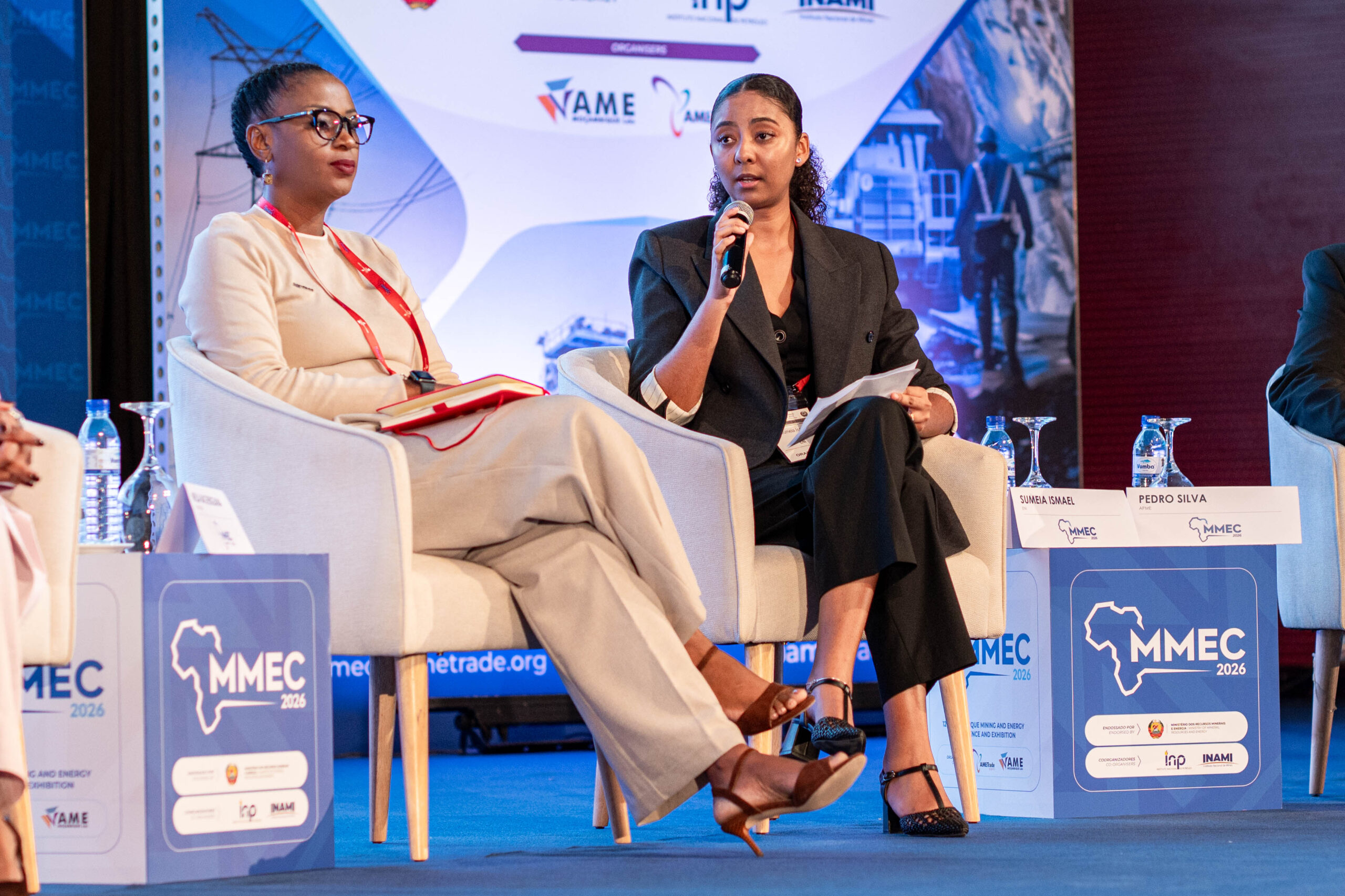
The event builds on MMEC 2026, which was opened by President Daniel Francisco Chapo and welcomed more than 650 participants from 22 countries, with 80 speakers. Ministers and senior representatives from Eswatini, Malawi, Tanzania, Zambia and Zimbabwe joined Mozambican counterparts. The conference also hosted the signing of a petroleum cooperation memorandum between the petroleum regulators of Mozambique and Tanzania.
A High-Level Ministerial Roundtable, “Transforming Resources into Industrial Growth: Regional Priorities for Mining, Energy and Stronger Domestic Value Chains”, will examine how regional cooperation can strengthen investment competitiveness, connect infrastructure and increase the value retained within Southern Africa. The dialogue will consider where cross-border markets and shared infrastructure can improve project economics.
The planned programme will address five closely connected priorities:
- Gas development and domestic markets: delivering LNG projects, attracting upstream investment and creating opportunities for gas-based power and industry.
- Mining investment and value addition: advancing exploration and new projects, developing competitive processing activities and securing technology, finance and market access.
- Power and regional connectivity: expanding transmission, integrating renewables and linking industrial demand with electricity trade through the Southern African Power Pool.
- Local enterprise and workforce development: improving procurement access, supplier finance, technical capabilities and skills that remain valuable beyond individual projects.
- Finance, regulation and logistics: strengthening investor confidence, matching projects with appropriate capital and improving connectivity through the Maputo, Beira and Nacala corridors.
Alongside the conference, the exhibition and networking programme will give operators, financiers, equipment suppliers, service providers and Mozambican businesses opportunities to meet prospective partners, showcase capabilities and explore commercial opportunities across the mining and energy value chains.
The programme will also include industry workshops and the annual MMEC Awards. New features for the 2027 edition will be announced in the lead-up to the event.
Organisations interested in attending, exhibiting, sponsoring or partnering with MMEC 2027 are invited to contact the organising team. For event information and participation enquiries, visit www.mmec-moz.com or email mmec@ametrade.org.
ENDS
About AME Trade
AME Trade is an independent organiser of conferences and trade events supporting investment and business development across African markets. Its activities include business intelligence, capacity building and services connecting public and private sector stakeholders. www.ametrade.org
Media enquiries: mmec@ametrade.org